HistoMetriX software
Transform histology images into quantitative, reproducible data. HistoMetriX combines AI-powered tissue and cell segmentation, biomarker quantification, spatial analysis and interactive result validation.
Prefer to outsource your analyses?
Our scientists perform tailored quantitative analyses on your histology images.
analysis services
AssayScope software
Transform 2D and 3D assay images into quantitative, reproducible data. AssayScope combines cell and organoid segmentation, phenotypic measurements, spatial analysis and high-content screening workflows across large image datasets.
Prefer to outsource your analyses?
Our scientists perform tailored quantitative analyses on your cell-based assays and 3D imaging data.
image analysis services
Our products
HISTOLOGY
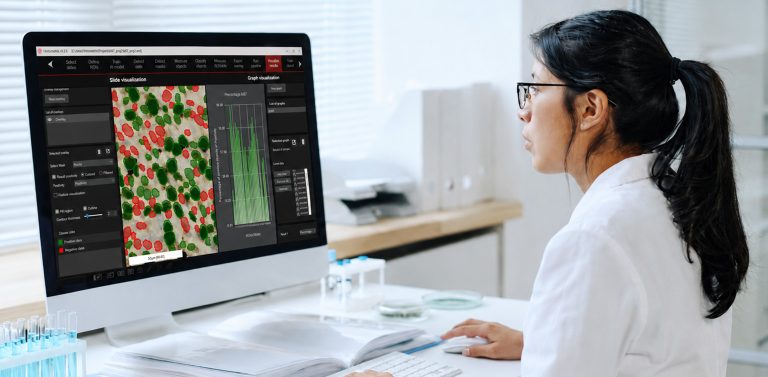
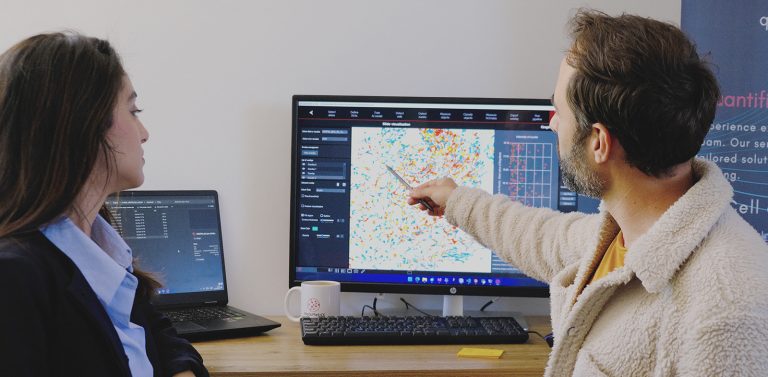
HistoMetriX software
HistoMetriX is an AI-powered image analysis software designed for biologists and pathologists.
- Quantitative analysis of histology images — tissues, cells, markers and spatial features
- AI-powered detection and classification — with interactive review and validation
- From images to reproducible results — accelerate routine analysis while staying in control
HISTOLOGY
Histological Image Analysis Services
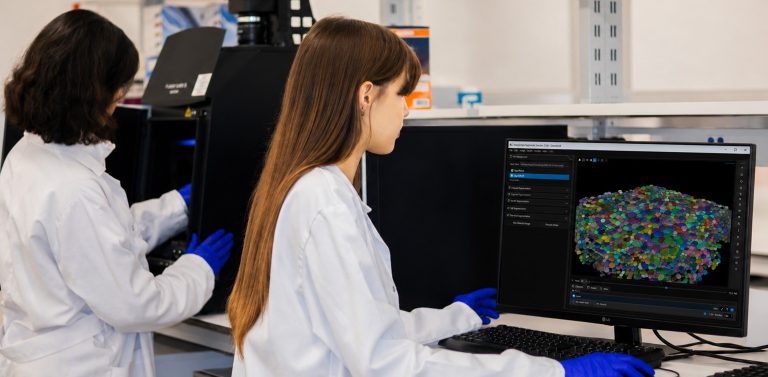
QuantaCell Image Analysis Services provide tailored quantitative image analysis performed by our scientists for your biological studies.
- Custom image analysis — tailored to your biological question, images and experimental design
- AI, segmentation & quantification — advanced methods adapted to your study and biological structures
- From images to validated results — quantitative data reviewed and validated with QuantaCell scientists
3D ORGANOID
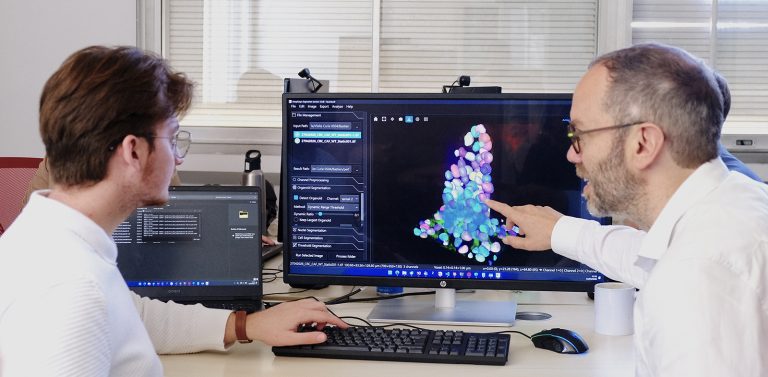
AssayScope Software
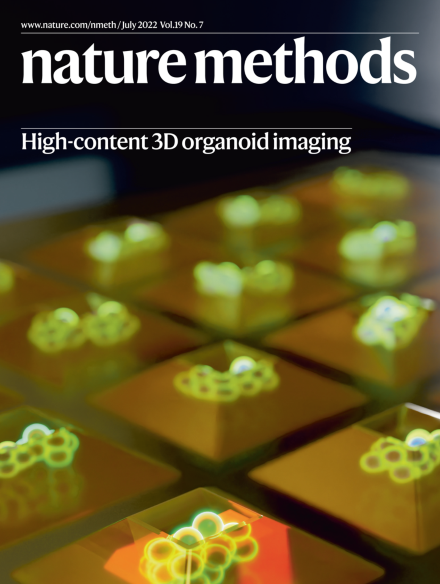
AssayScope is an image analysis software designed for quantitative analysis of cells, organoids and complex 3D biological models.
- Quantitative 2D & 3D image analysis — segment and characterize organoids, cells, nuclei and biological structures
- Cellular & spatial profiling — quantify morphology, fluorescence and spatial organization
- From images to screening insights — compare wells, conditions and treatments across large imaging datasets
3D ORGANOID
3D Organoid Image Analysis Services
QuantaCell 3D Organoid Image Analysis Services turn complex 3D microscopy images into robust quantitative data tailored to your biological study.
- Custom 3D image analysis — tailored to your organoids, spheroids, cells and complex tissue models
- 3D segmentation & quantification — measure morphology, fluorescence, spatial organization and cellular phenotypes
- From 3D images to validated results — quantitative data reviewed and validated with QuantaCell scientists

Who is it for?
Quantacell develops advanced image analysis workflows for histology, multiplex imaging, spatial biology and 3D cellular models, enabling quantitative characterization of tissues, organoids and complex biological systems.
-
Oncology
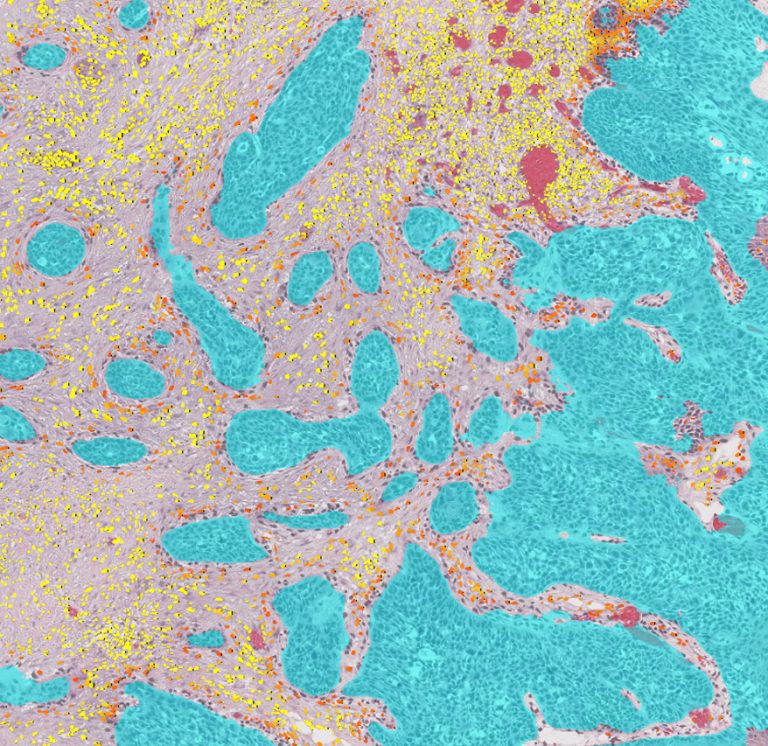
Quantitative analysis of tumor tissues and cancer organoids to characterize tumor architecture, cellular phenotypes and microenvironment.
(Ki67+ cell quantification, tumor–stroma segmentation, immune infiltration, spatial cell interactions) -
Neuroscience
Quantitative analysis of neuronal cultures, brain tissues and 3D models to characterize cellular organization, morphology and dynamics.
(cell and nuclei quantification, neuronal morphology, spatial organization, cell tracking) -
Dermatology & Cosmetics
Quantitative analysis of skin tissues and reconstructed models to characterize tissue structure and treatment effects.
(epidermal thickness, collagen quantification, cell proliferation, biomarker expression) -
Immunology & Inflammation
Quantitative and spatial analysis of immune cell populations and tissue microenvironments using histological and multiplex imaging.
(immune cell detection, biomarker expression, spatial distribution, cell neighborhood analysis) -
Toxicology & Drug Screening
Quantitative analysis of treatment effects across cells, organoids and 3D models, from individual experiments to high-content screening.
(cell viability, morphological profiling, organoid growth, multi-well and multi-condition analysis)

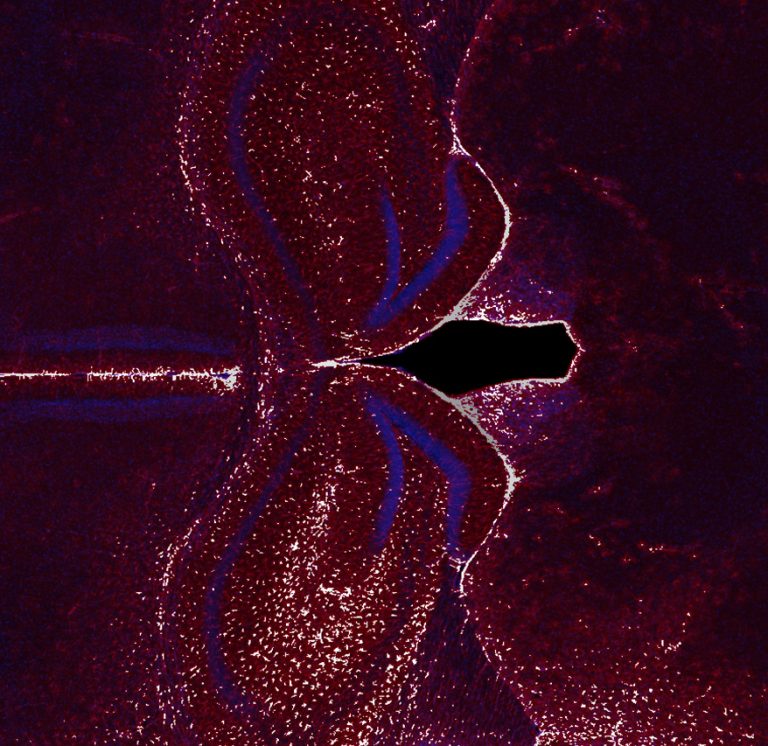
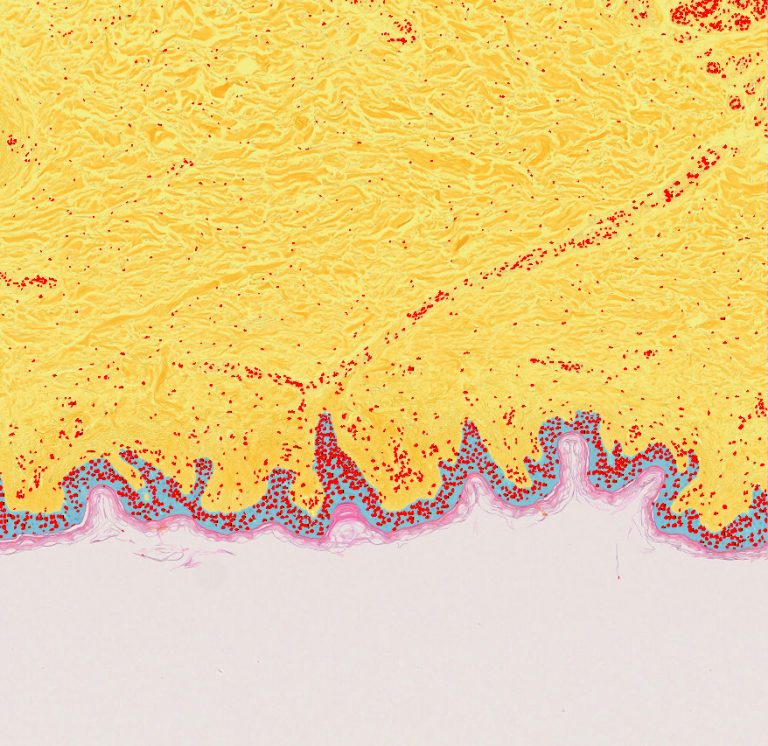
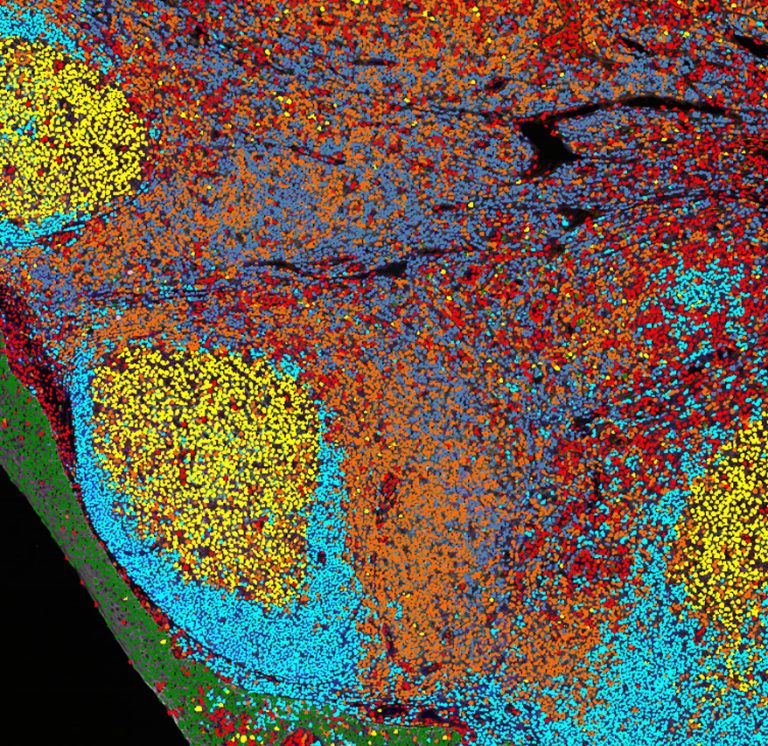
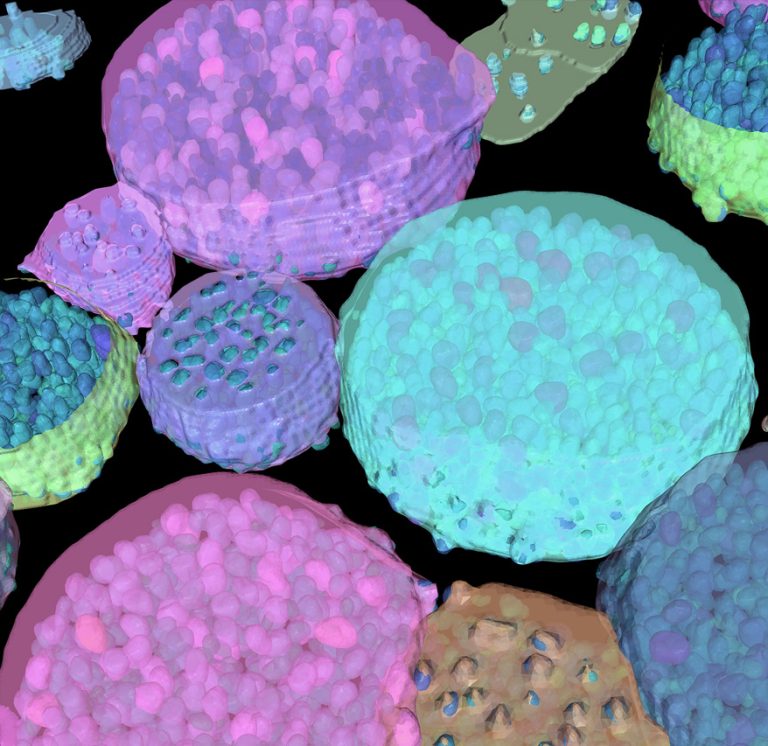
Whatever your application, QuantaCell combines scientific expertise, image analysis,
and AI to develop solutions tailored to your biological challenges
Our partners
QuantaCell builds on strong academic, hospital and industry collaborations,
supported by European, national and regional research and innovation programs,
and is listed on international platforms such as Scientist.com or cro.directory.









Scientifically validated expertise
More than 40 scientific publications resulting from collaborations with academic, hospital, and industrial teams,
including several publications in leading international journals